How to Reduce Downtime During Office Moves in Singapore

Office relocation can be a complex process for businesses. While moving to a new workspace often brings exciting opportunities for growth, it can also disrupt daily operations if not managed properly.

One of the biggest concerns for businesses during relocation is downtime. When employees cannot access systems, equipment, or workspaces, productivity can quickly decline.

Careful planning and coordination can significantly reduce downtime during office relocation. Following a structured office relocation singapore guide can help businesses plan their move efficiently and minimise operational disruption.

Below are 7 key practical strategies businesses in Singapore can use to reduce downtime during office moves.

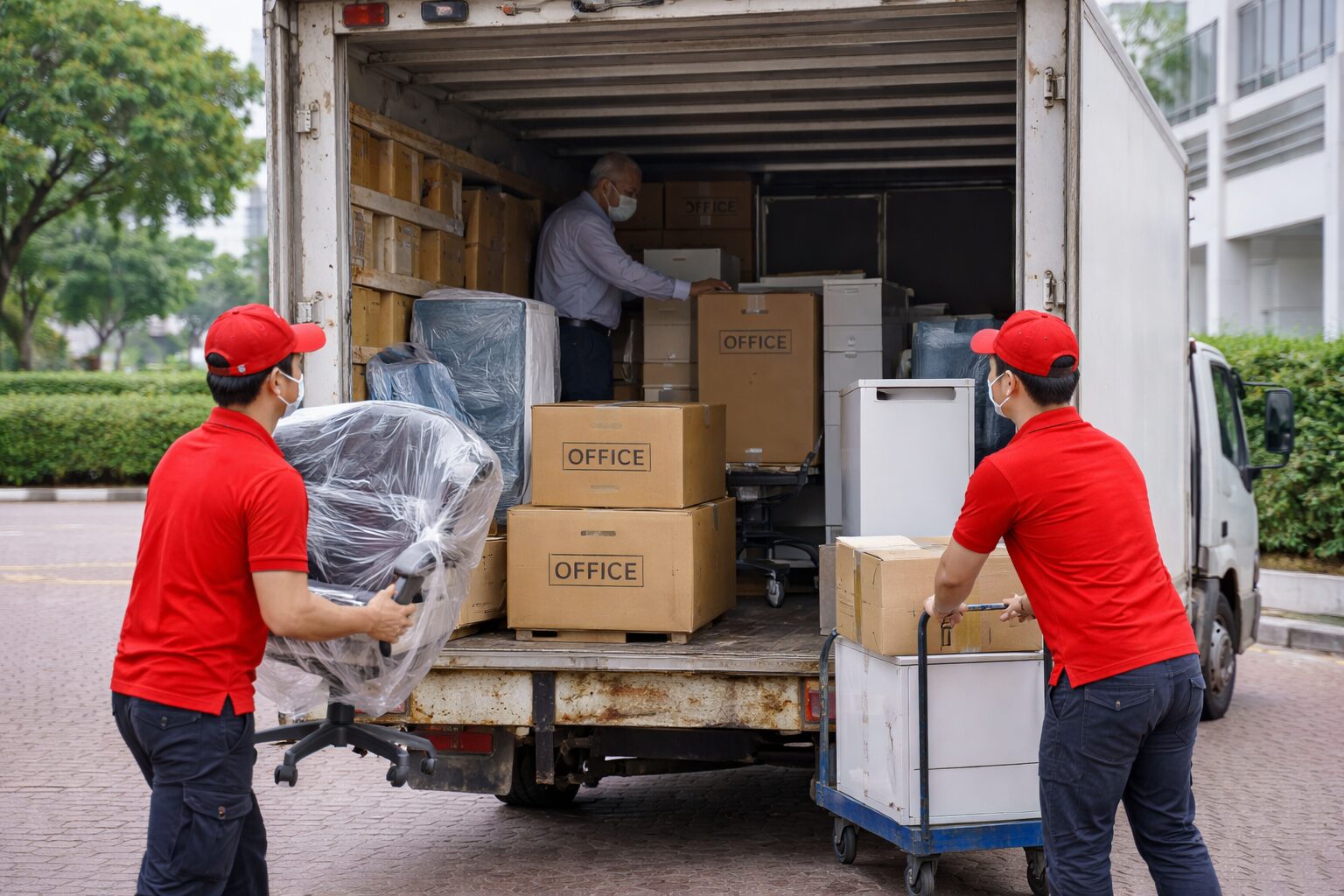
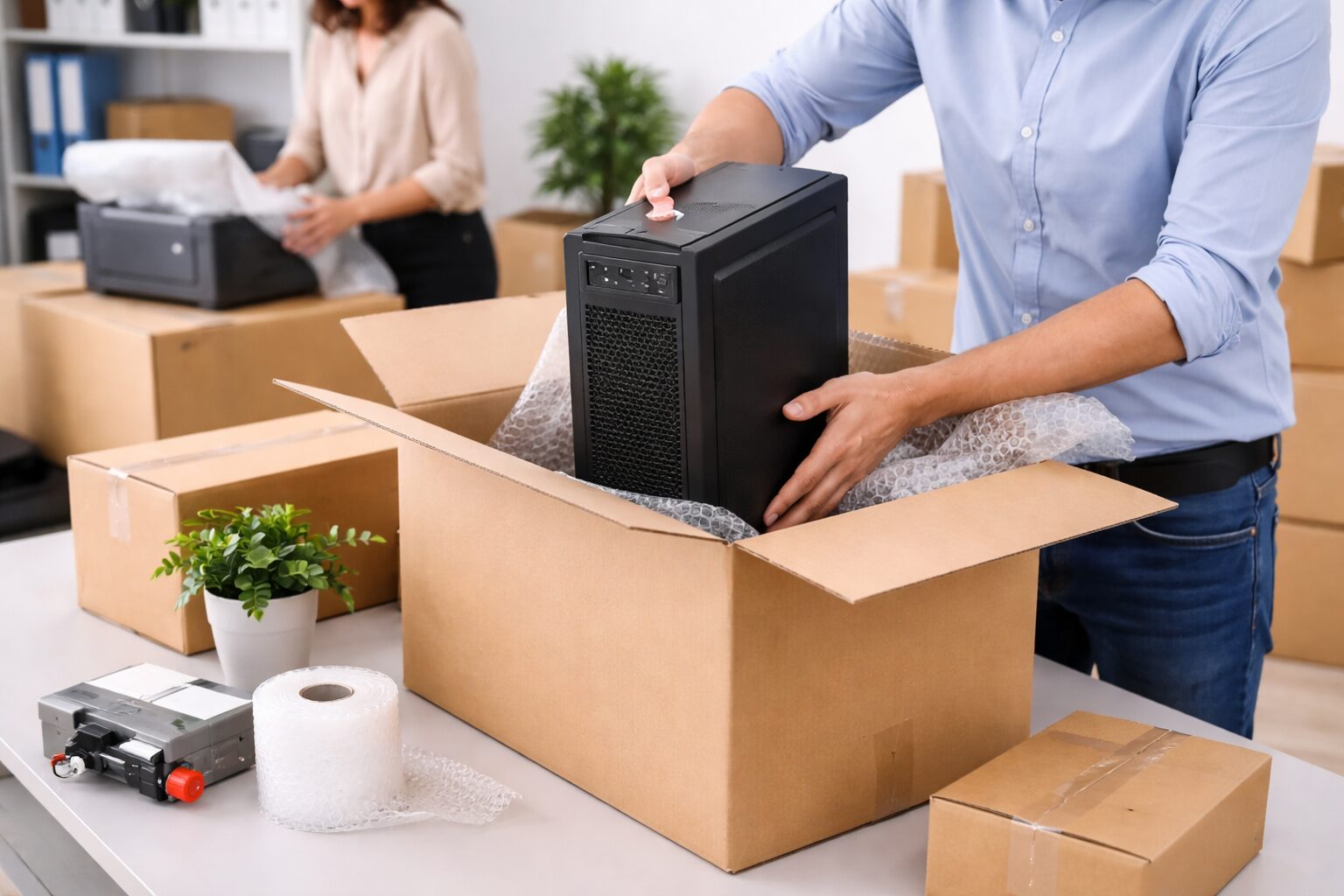
Packing office computers and equipment before relocationStrategies to Reduce Downtime During Office Relocation
1. Start Planning the Office Move Early

Early planning is one of the most effective ways to prevent delays during office relocation.

Businesses should ideally begin planning one to three months before the move, depending on the size of the office.

Early planning allows time to:

  • Coordinate moving schedules
  • Organise equipment and inventory
  • Prepare IT systems
  • Notify employees and clients of the scheduled relocation

A clear relocation timeline ensures that each stage of the move is completed efficiently with minimum to no downtime.

2. Assign an Internal Moving Coordinator

Having a dedicated internal relocation coordinator helps keep the moving process organised.

This person or team can oversee key responsibilities such as:

  • Communicating with movers
  • Coordinating employee packing
  • Managing moving schedules
  • Ensuring departments prepare their equipment

An internal coordinator acts as the central point of contact during the relocation process.

3. Schedule the Move Outside Business Hours

One of the most effective ways to reduce downtime is to schedule the move during periods when business activity is lowest.

Many companies relocate during:

  • Weekends
  • Public holidays
  • Evenings after working hours

Professional office movers in Singapore often offer flexible scheduling to help businesses relocate outside normal working hours.

4. Prepare IT Infrastructure Before the Move

IT systems are critical for most businesses. Ensuring that IT infrastructure is ready at the new office helps employees resume work quickly.

Important steps include:

  • Setting up internet connections in advance
  • Installing network equipment before the move
  • Preparing server rooms and cable management
  • Backing up company data

Testing systems before employees arrive ensures minimal disruption.

5. Label Equipment and Departments Clearly

Labeling equipment properly can significantly speed up the relocation process.

Boxes and equipment should be labeled by :

  • Department
  • Employee workstation
  • Equipment type

This helps movers place items in the correct locations immediately when unloading.

Clear labeling also helps IT teams reconnect devices faster.

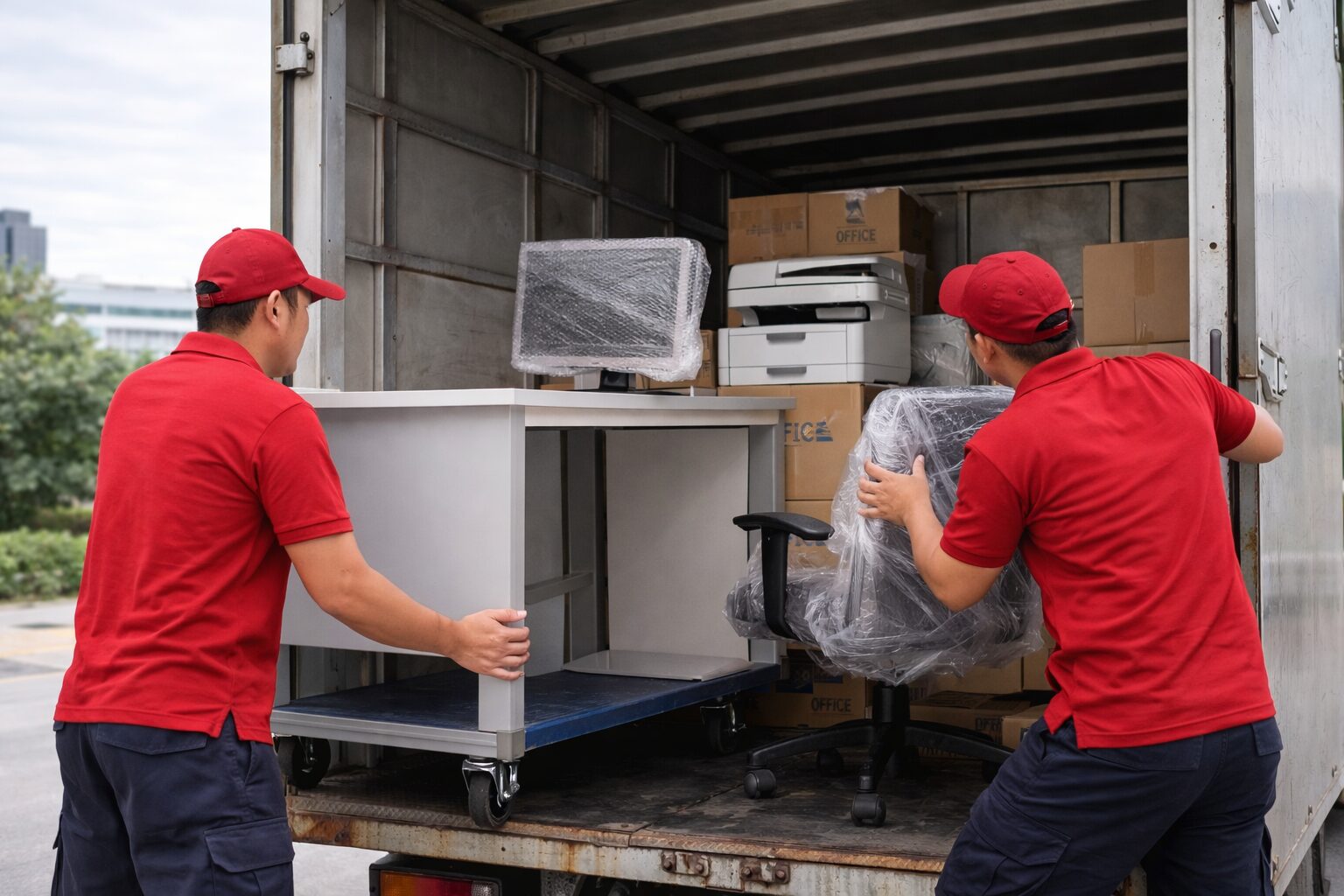
Office furniture being loaded into a moving truck6. Move Departments in Phases

For larger organisations, relocating the entire office at once may not be practical.

Instead, businesses can move departments in phases to keep some operations running while others relocate.

For example:

  • Administrative teams move first
  • Customer service teams move later
  • IT teams relocate last to manage setup

This phased approach helps maintain operational continuity.

7. Work with Professional Movers

Office relocation involves moving sensitive equipment, furniture, and documents. Professional movers with office relocation experience can significantly reduce risks during the process.

Experienced moving service Singapore providers understand how to manage office logistics efficiently, ensuring equipment and furniture are transported safely.

Working with professional movers also allows businesses to focus on maintaining operations while the relocation is managed by experts.

Office Move Preparation Checklist

Before the Move

✔ Assign a relocation coordinator
✔ Back up company data
✔ Label equipment by departments and workstations
✔ Confirm lift and parking arrangements
✔ Prepare office layout plan

During the Move

✔ supervise equipment handling
✔ ensure fragile items are protected
✔ confirm all equipment is transported safely

After the Move

✔ reconnect computers and servers
✔ test internet and network systems
✔ verify workstation setup for employees

 IT setup being installed in a new office workspacePlan a Smooth Office Relocation

Office relocation requires careful planning, preparation, and coordination to ensure operational continuity. By planning early, preparing IT infrastructure, and working with experienced movers, companies can significantly reduce downtime during the transition.

Businesses preparing for relocation can benefit from experienced office movers in Singapore who understand how to manage office logistics efficiently.

Reduce downtime and ensure a seamless transition with professional office movers. Get in touch today for a seamless business relocation

{ "@context": "https://schema.org", "@type": "FAQPage", "mainEntity": [ { "@type": "Question", "name": "How can businesses minimise downtime during office relocation?", "acceptedAnswer": { "@type": "Answer", "text": "Businesses can minimise downtime by planning the move early, preparing IT infrastructure in advance, scheduling relocation outside working hours, and working with experienced office movers." } }, { "@type": "Question", "name": "How long does an office relocation usually take?", "acceptedAnswer": { "@type": "Answer", "text": "The time required for office relocation depends on the size of the company and the amount of equipment being moved. Smaller offices may complete relocation within several hours." } }, { "@type": "Question", "name": "What should businesses prepare before an office move?", "acceptedAnswer": { "@type": "Answer", "text": "Businesses should prepare IT infrastructure, back up company data, label equipment clearly, confirm building access arrangements, and coordinate moving schedules before relocating." } } ] }

Frequently Asked Questions About Office Moves

Businesses can minimise downtime by planning the move early, preparing IT systems in advance, scheduling relocation outside working hours, and working with experienced office movers.

The duration of an office move depends on the size of the company and the amount of equipment being relocated. Smaller offices may complete relocation within several hours, while larger offices may require a full day.

Before relocating an office, businesses should back up data, prepare IT infrastructure, label equipment clearly, confirm building access arrangements, and coordinate moving schedules with professional movers.

Office Relocation Checklist for Businesses in Singapore

Relocating an office is a major undertaking for any business. From coordinating employees and equipment to ensuring minimal disruption to daily operations, office relocation requires careful planning and organisation.

Without a structured plan, companies may experience delays, misplaced equipment, or costly downtime during the transition.

If your organisation is planning a move, following a comprehensive office relocation Singapore guide can help ensure a smooth and well-coordinated relocation process.

This office relocation checklist outlines the essential steps businesses in Singapore should follow when planning a move.

Packing office computers and equipment for relocation

Office Relocation Checklist for Businesses

1. Start Planning the Move Early

Office relocation requires careful coordination. Most businesses should begin planning at least 1 to 3 months in advance.

Early planning allows time to:

  • create a relocation timeline
  • allocate a moving budget
  • organise equipment inventory
  • schedule movers and IT setup

Planning ahead helps prevent delays and operational disruptions.

2. Assign a Moving Coordinator

Appointing a relocation coordinator helps ensure that every department prepares properly for the move.

Responsibilities may include:

  • coordinating with movers
  • communicating relocation plans to employees
  • organising packing schedules
  • monitoring relocation progress

Appointing a dedicated coordinator can help streamline the entire relocation process.

3. Create an Office Inventory

Before packing begins, businesses should prepare a full inventory of office assets.

Items to record include:

  • computers and monitors
  • office desks and chairs
  • printers and office equipment
  • storage cabinets and documents

Professional office movers in Singapore can assist with safely transporting office furniture and equipment to your new location without any hassle.

4. Plan the Layout of the New Office

Planning the new office layout before the moving day helps ensure a faster setup.

Key considerations include:

  • workstation arrangements
  • meeting room locations
  • server and IT equipment placement
  • storage and filing areas

Providing movers with a layout plan allows them to place furniture in the correct areas immediately, ensuring a smooth transition for your team. 

5. Prepare IT Infrastructure

IT preparation is critical for minimising downtime during relocation.

Before the moving day, make sure to:

  • back up company data
  • prepare internet installation
  • arrange network setup
  • plan server relocation

Proper preparation helps ensure systems are operational once employees return to work.

6. Schedule the Move Outside Working Hours

To minimise business disruption, many companies schedule relocation during:

  • weekends
  • public holidays
  •  after business/ operational hours

With a reliable moving service Singapore provider onboard, you can enjoy an efficient and stress free relocation.  

7. Label Office Equipment and Departments

Clear labeling helps movers deliver equipment to the correct departments.

Boxes should be labeled with:

  • department name
  • employee workstation/ workstation number
  • equipment type

This helps IT teams reconnect devices quickly after relocation, minimising operational disruptions and downtime

Office furniture being loaded into a moving truck Office Moving Day Checklist

Before Moving Day

✔ Inform employees about the relocation timeline
✔ Back up important company data
✔ Label equipment and boxes clearly
✔ Confirm lift and parking access
✔ Prepare office layout plan

On Moving Day

✔ supervise equipment loading
✔ ensure fragile IT equipment is handled carefully
✔ confirm all items are transported

After the Move

✔ reconnect computers and servers
✔ test internet and network connections
✔ verify that equipment is placed correctly

IT setup in a new office after relocationPlan a Smooth Office Relocation

Office relocation requires proper planning and coordination to avoid operational disruption. By following a structured checklist and working with experienced movers, businesses can ensure a smooth and efficient transition to their new workspace.

Companies preparing for relocation can benefit from professional office movers in Singapore who understand how to transport office equipment safely and minimise business downtime.

At Red Sun Movers, we provide structured office moving solutions—from planning and packing to transportation and setup—so your team can resume operations quickly and efficiently. Contact us today for a smooth and stress-free move.

{ "@context": "https://schema.org", "@type": "FAQPage", "mainEntity": [ { "@type": "Question", "name": "How long does an office relocation usually take?", "acceptedAnswer": { "@type": "Answer", "text": "Office relocation time depends on the size of the company and the amount of equipment being moved. Smaller offices may complete relocation within a few hours, while larger offices may require a full day." } }, { "@type": "Question", "name": "When should a company start planning an office move?", "acceptedAnswer": { "@type": "Answer", "text": "Businesses should start planning an office move one to three months in advance to allow time for logistics coordination, IT setup, and scheduling professional movers." } }, { "@type": "Question", "name": "How can businesses minimise downtime during office relocation?", "acceptedAnswer": { "@type": "Answer", "text": "Downtime can be minimised by scheduling the move outside working hours, preparing IT systems beforehand, labeling equipment clearly, and working with experienced office movers." } } ] }

Frequently Asked Questions About Office Relocation

The duration of an office relocation depends on the size of the business and the amount of equipment being moved. Small offices may complete relocation within several hours, while larger companies may require a full day or a couple of days if the relocation is carried out in multiple phases.

Businesses should begin planning an office relocation at least one to three months in advance. This provides sufficient time to coordinate logistics, schedule movers, prepare IT infrastructure, and inform employees

Businesses can minimise downtime by scheduling the move outside working hours, preparing IT infrastructure in advance, labeling equipment clearly, and working with experienced office movers.

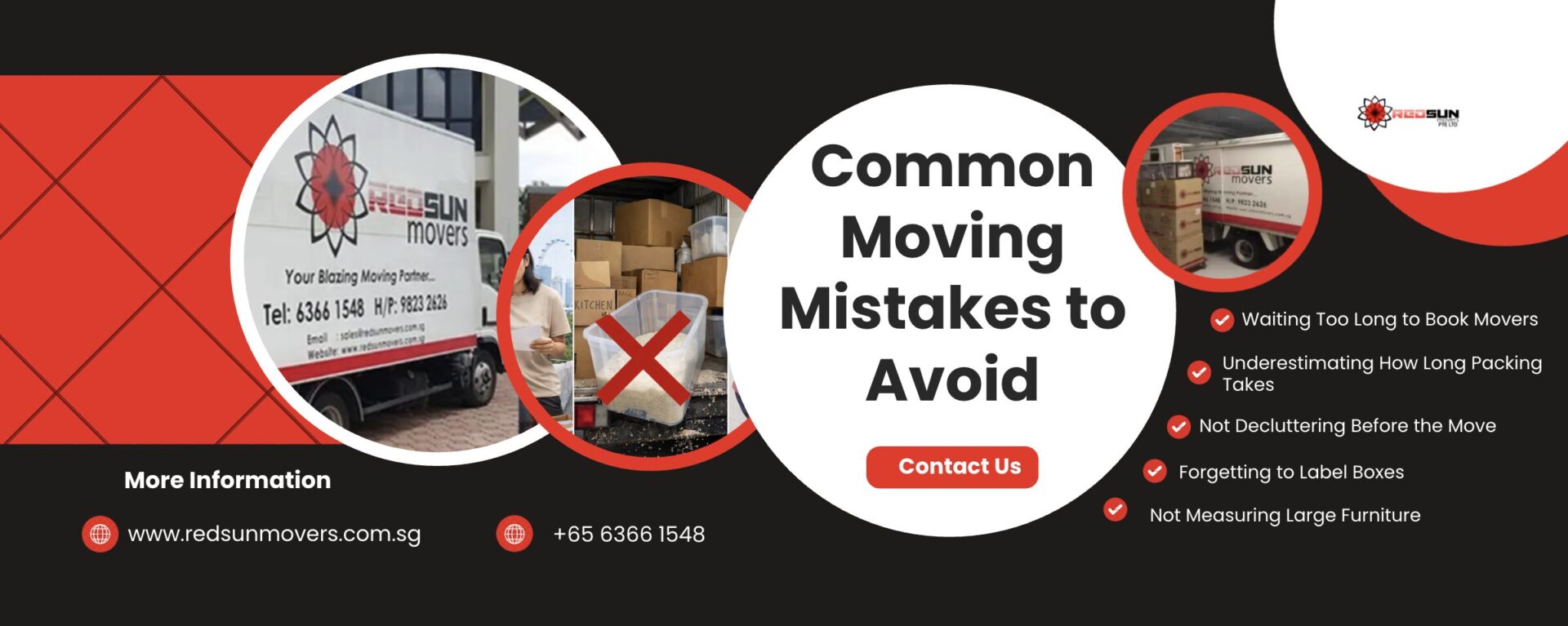
10 Common Moving Mistakes Singapore Homeowners Should Avoid

Moving homes can be an exciting experience, but it can also become stressful if certain mistakes are overlooked. Many homeowners underestimate the preparation required for a smooth relocation.

From packing errors to last-minute planning, small mistakes can lead to damaged belongings, delays, and unnecessary costs.

If you are preparing to relocate , following a structured house moving guide Singapore can help you stay organised and avoid common relocation problems.

Below are the 10 most common moving mistakes people make in Singapore and here’s how you can avoid them.

Packing boxes carefully before moving homes1. Waiting Too Long to Book Movers

Many homeowners wait until the last minute to arrange moving services. During peak periods such as weekends or end-of-month dates, moving companies may be fully booked.

Booking early helps you:

  • secure your preferred moving date
  • compare moving options
  • plan packing properly

Working with a reliable moving service Singapore provider early ensures a smoother relocation schedule.

2. Underestimating How Long Packing Takes

Packing often takes longer than expected, especially for larger homes.

Common packing mistakes include:

  • using flimsy, low quality boxes
  • not protecting fragile items
  • leaving packing until the last minute

Starting the packing process early helps minimise  stress and ensures all your items are packed safely.

3. Not Decluttering Before the Move

Moving unnecessary items increases both workload and moving costs.

Before packing, take time to:

  • donate unused items
  • sell unwanted furniture
  • discard broken belongings

Decluttering can significantly reduce the number of boxes you need to move.

Labelled moving boxes organised by room4. Forgetting to Label Boxes

Unlabeled boxes can create confusion when unpacking.

To stay organised:

  • label boxes by room
  • mark fragile items clearly
  • use colour-coded labels if possible

Clear labels help movers place boxes in the correct areas at your new home.

Furniture movers transporting sofa during relocatio5. Not Measuring Large Furniture

Large furniture may not fit easily through corridors, lifts, or doorways.

Before moving day, measure:

  • sofas and wardrobes
  • doorways and hallways
  • lift dimensions in your building

Professional furniture movers singapore can help dismantle and transport large furniture safely.

6. Ignoring Building Moving Regulations

Many residential buildings in Singapore require lift reservations and designated moving hours.

Before moving day:

  • confirm lift bookings with building management
  • reserve parking space for the moving truck
  • check permitted moving hours

These steps help avoid delays during relocation.

7. Packing an Essentials Bag Too Late

Many homeowners forget to prepare a bag of essential items for moving day.

Pack a bag with the essentials in advance and Include items such as:

  • identification documents
  • phone chargers
  • medications
  • important paperwork

Keeping essentials with you ensures you can access them easily during the move.

8. Not Protecting Fragile Items Properly

Fragile belongings such as glassware, electronics, and decorative items require an extra layer of protection.

Use materials such as:

  • bubble wrap
  • packing paper
  • Packing peanuts
  • padded boxes

Proper packing helps prevent damage during transport.

9. Forgetting to Update Your Address

After moving, many people forget to update their address with important organisations. Remember to update your address with:

  • banks and financial institutions
  • delivery services
  • insurance providers
  • government agencies

This helps avoid missed correspondence and service interruptions.

10. Trying to Do Everything Alone

Many homeowners try to handle the entire moving process themselves, which can lead to unnecessary stress.

Working with experienced house movers Singapore can help ensure your belongings are transported safely, efficiently and hassle free

Quick Moving Checklist

Use this checklist to avoid common moving mistakes.

Before Moving Day

✔ Book movers early
✔ Declutter unnecessary items
✔ Label all boxes
✔ Confirm lift booking
✔ Prepare packing materials

On Moving Day

✔ Keep valuables with you
✔ supervise fragile items
✔ guide movers during unloading
✔ check all items are delivered

Plan Your Move with the Right Resources

Preparing early is the best way to avoid unnecessary stress during relocation.

If you are planning a move, check out this moving costs singapore guide. It explains the factors that affect moving prices in Singapore.

Understanding moving costs and preparation steps can help you plan your relocation more effectively. 

Make Your Move Stress-Free with Red Sun Movers

Avoid costly moving mistakes by working with experienced professionals who understand the entire relocation process. At Red Sun Movers, we provide reliable packing, careful handling, and efficient transport to ensure your move is smooth from start to finish.

Whether you’re moving your home or office, our team is here to help you every step of the way.

Contact Red Sun Movers now to plan your relocation with confidence.

{ "@context": "https://schema.org", "@type": "FAQPage", "mainEntity": [ { "@type": "Question", "name": "What is the most common moving mistake people make?", "acceptedAnswer": { "@type": "Answer", "text": "One of the most common mistakes is leaving packing until the last minute, which can lead to rushed packing and damaged belongings." } }, { "@type": "Question", "name": "When should I start preparing for a house move?", "acceptedAnswer": { "@type": "Answer", "text": "Homeowners should ideally start preparing for a move three to four weeks before moving day to allow enough time for packing and scheduling movers." } } ] }

Frequently Asked Questions About Moving Mistakes

One of the most common mistakes is leaving packing until the last minute. This often leads to rushed packing, damaged items, and delays during moving day.

Ideally, homeowners should begin preparing 3–4 weeks before the moving day to allow time for packing, decluttering, and booking movers.

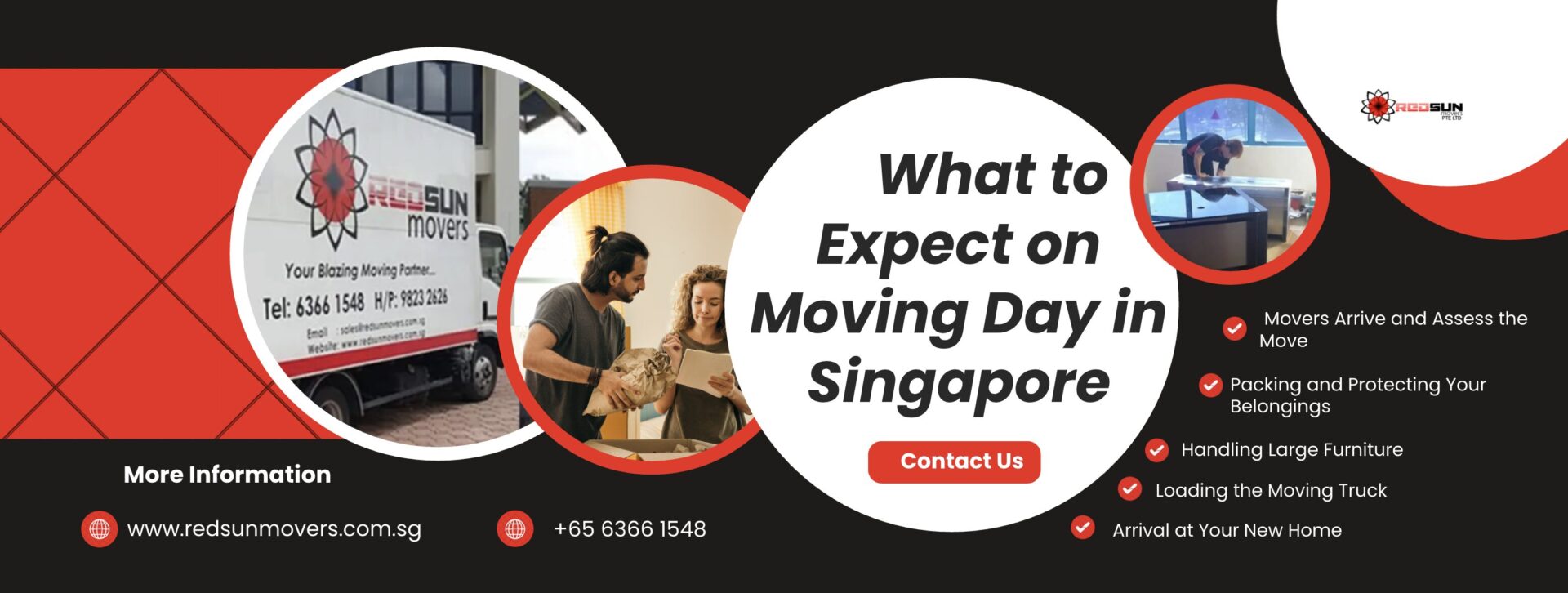
What to Expect on Moving Day in Singapore

Moving day can feel overwhelming, especially when relocating to a new home in Singapore. From packing your belongings to coordinating transportation logistics, there are many steps involved in ensuring everything runs smoothly.

With proper preparation and the help of experienced movers, the relocation process can be much easier and less stressful. If you are planning a move soon, following a structured house moving guide Singapore can not only help you stay organised but also help you  avoid common moving issues.

Below is what typically happens on moving day and how you can prepare for a smooth relocation experience.

Furniture movers carrying a sofa during a house relocationWhat Happens on Moving Day

1. Movers Arrive and Assess the Move

Most moving teams arrive early in the morning to maximise efficiency. The movers will usually conduct a walkthrough of your home to understand the items being transported.

During this inspection, they will check:

  • Furniture that requires dismantling
  • Fragile or high-value items
  • Number of boxes to transport
  • Access points such as lifts or corridors

A reliable moving service Singapore solutions provider will confirm the moving plan before starting any  packing or loading.

2. Packing and Protecting Your Belongings

If packing was not completed beforehand, movers will begin securing items using protective materials such as bubble wrap, packing peanuts, boxes, and blankets.

Professional packing procedures often include:

  • Wrapping fragile items individually
  • Protecting furniture with padding
  • Labeling boxes according to rooms
  • Separating delicate belongings

These steps help minimise the risk of damage during transportation.

3. Handling Large Furniture

Large furniture pieces require careful handling during relocation. Items such as wardrobes, beds, and sofas may be dismantled to make transportation easier.

Professional furniture movers singapore use proper lifting techniques and protective wrapping to ensure furniture is moved safely.

4. Loading the Moving Truck

Once packing is completed, movers will begin loading items into the moving vehicle.

Professional movers organise the truck carefully to prevent items from shifting during transport.

Typical loading practices include:

  • Placing heavy furniture at the bottom
  • Securing fragile boxes separately
  • Stacking boxes strategically
  • Using straps to prevent movement

These methods ensure items remain stable during the journey.

5. Arrival at Your New Home

After arriving at your new location, movers will unload your belongings and place them in the designated rooms.

To make unloading easier:

  • Label boxes clearly
  • Provide a floor plan if possible
  • Inform movers which items are fragile

Experienced house movers Singapore will help ensure furniture and belongings are placed in the correct areas.

Moving Day Checklist

Use this simple checklist to stay organised on moving day.

Before Movers Arrive

✔ Confirm lift booking with building management
✔ Reserve parking space for the moving truck
✔ Pack an essentials bag (documents, chargers, medication)
✔ Label all boxes clearly
✔ Keep valuables with you

During the Move

✔ Supervise fragile item handling
✔ Confirm items are loaded properly
✔ Double-check storage areas and cupboards
✔ Ensure furniture is dismantled safely

Moving truck being loaded with furniture and boxes in SingaporeAfter Arriving at Your New Home

✔ Guide movers on where to place furniture
✔ Check all boxes are delivered
✔ Inspect fragile items
✔ Reassemble furniture where needed

Tips for a Smooth Moving Day

Even with professional movers, small preparations can make a big difference.

Prepare an Essentials Bag

Keep important items with you during the move, such as:

  • Identification documents
  • Phone chargers
  • Medication
  • Important paperwork

Confirm Lift and Parking Access

Many HDB blocks and condominiums in Singapore require lift reservations for moving. Confirm these arrangements beforehand to avoid delays.

Declutter Before Moving

Moving fewer items can reduce both moving time and costs. Consider donating or discarding items you no longer need.

Plan Your Move with the Right Resources

Preparing ahead of time can significantly reduce stress on moving day. Understanding the full relocation process allows homeowners to organise packing, logistics, and transportation more effectively.

If you want to learn more about preparing for a relocation, this moving costs Singapore guide explains the factors that influence moving expenses.

At Red Sun Movers, we ensure your belongings are handled with care—from careful packing to efficient delivery—so your move is completed safely and on time. Contact Red Sun Movers now for a hassle-free moving experience.


{ "@context": "https://schema.org", "@type": "FAQPage", "mainEntity": [ { "@type": "Question", "name": "How long does a typical house move take in Singapore?", "acceptedAnswer": { "@type": "Answer", "text": "Most residential moves in Singapore take 4 to 8 hours, depending on the size of the home, the number of items being moved, and building access conditions such as lift availability. Larger homes or moves involving heavy furniture may take longer, especially if packing or dismantling services are required." } }, { "@type": "Question", "name": "Do movers in Singapore provide packing materials?", "acceptedAnswer": { "@type": "Answer", "text": "Yes, most professional movers in Singapore provide packing materials such as boxes, bubble wrap, tape, and protective blankets. Many companies also offer full packing services where movers carefully pack household items before loading them into the moving truck, helping ensure fragile belongings are transported safely." } } ] }

Frequently Asked Questions About Moving Day in Singapore

Most residential moves in Singapore take 4 to 8 hours, depending on the size of the home, the number of items being moved, and building access conditions such as lift availability. Larger homes or moves involving heavy furniture may take longer, especially if packing or dismantling services are required.

Yes, most professional movers in Singapore provide packing materials such as boxes, bubble wrap, tape, and protective blankets. Many companies also offer full packing services where movers carefully pack household items before loading them into the moving truck, helping ensure fragile belongings are transported safely.